Having a garden in an apartment is a simple, beautiful, and healthy way to bring more green indoors. In addition to making the environment more pleasant, growing herbs, spices, and small vegetables allows you to have fresh food always at hand, even when living in compact spaces.
The success of an apartment garden begins long before choosing seeds or pots. In practice, the factor that most influences plant development is the availability of natural light. Even using quality substrate and watering correctly, a plant will hardly grow healthily if it does not receive enough light.
Before starting your garden, observe the behavior of light throughout the day. Walk around the apartment at different times — in the morning, early afternoon, and late in the day — to identify which areas remain illuminated for longer. Often, a space that seems bright for a few minutes may spend a large part of the day in the shade, which directly interferes with the growth of vegetables and herbs.
The locations that usually offer the best conditions are:
- Balconies and terraces;
- Kitchen windows
- Well-lit service areas;
- Window sills;
- Spaces near glass doors;
- Shelves installed next to windows.
In general, most herbs and vegetables need 3 to 5 hours of direct sunlight or strong light exposure daily. Some species, such as basil, rosemary, thyme, and oregano, show even better development when they receive between five and six hours of sun per day.
Whenever possible, prefer locations that receive morning sun. In addition to providing the necessary energy for photosynthesis, this period usually has milder temperatures, reducing the risk of leaf burns and excessive water loss from the soil.
On the other hand, the intense afternoon sun, especially during the summer, can heat the pots too much — especially those made of plastic or metal — raising the root temperature and accelerating water evaporation. In some more delicate species, this can cause wilting, burned leaves, and water stress.
Another often neglected aspect is air circulation. A well-ventilated environment helps control humidity, reduces the incidence of fungi, and naturally strengthens the plants. However, it is important to avoid places subject to constant and very strong winds, which can break stems, quickly dry out the substrate, and harm younger seedlings.
How to identify if the chosen location is suitable
After a few days, the plant itself will indicate if it is receiving the ideal amount of light.
Signs of good lighting:
- Firm leaves with intense coloring;
- Uniform growth;
- New shoots appearing frequently;
- Short and sturdy stems.
Signs of low light:
- Slow growth;
- Long and thin stems, leaning towards the window;
- Small and lighter leaves;
- Little production of new leaves.
If you observe these signs, it does not mean that the plant is lost. Often, simply repositioning the pot to a brighter location is enough for it to start growing healthily again.
An important recommendation
One of the most common mistakes made by those starting a garden in an apartment is choosing the "most beautiful" spot in the house first and only then thinking about the needs of the plants. The ideal approach is to do exactly the opposite: find the spot with the best lighting and ventilation conditions and then adapt the decor around the garden. This way, in addition to creating a visually pleasant space, you ensure that the plants have real conditions to develop and produce for much longer.
For this reason, lighting is considered one of the most important factors for the success of a garden in an apartment. In most cases, problems such as slow growth, small leaves, or low production of herbs are not related to a lack of fertilizer, but rather to insufficient light.
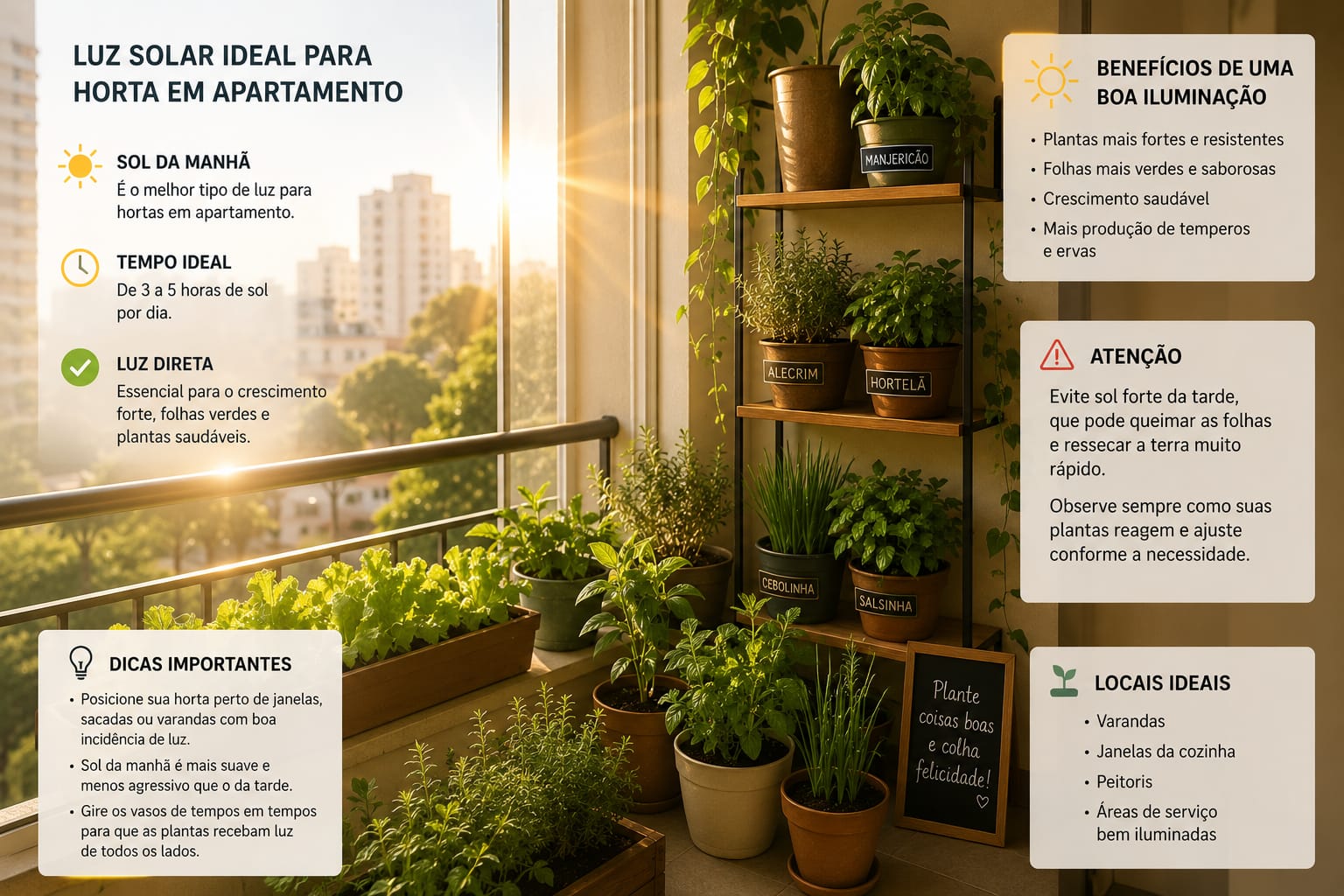
It is important to understand that not all plants have the same lighting needs. Some species require several hours of direct sunlight daily, while others thrive well with just good brightness.
Plants that enjoy plenty of sun
If your balcony, window, or patio receives several hours of sunlight per day, you can grow species that appreciate sunnier environments.
Among them are:
- Basil
- Rosemary
- Oregano
- Thyme
- Sage
- Pepper
- Lavender
These plants tend to produce more aromatic leaves, grow with greater vigor, and develop stronger stems when they receive good light exposure.
Plants that adapt better to partial shade
Not every apartment has direct sunlight during the day. Fortunately, several herbs can grow very well in places with plenty of brightness, even without receiving intense sunlight.
Good options are:
- Mint
- Parsley
- Chives
- Cilantro
- Baby lettuce
- Spinach
- Some varieties of arugula
These species tolerate partial shade environments, as long as they receive enough light throughout the day.
Direct sun vs indirect light: what is the difference?
- Burned edges on leaves;
- Brownish spots;
- Wilting during the hottest hours;
- Soil drying out quickly.
Before investing in sophisticated pots, supports, or new herbs, pay close attention to the lighting in your apartment. This simple care is often the main difference between a garden that merely survives and one that grows vigorously, fragrantly, and productively throughout the year.
The choice of pot goes far beyond aesthetics. Although it is part of the decor and helps enhance the environment, its main function is to provide the roots with an adequate space to grow, absorb water, nutrients, and oxygen.
An inadequate pot can compromise the entire development of the plant, even if it receives good lighting, correct watering, and quality substrate. Often, when a garden does not progress, the problem lies precisely in the container used.
Before choosing the model, think about the characteristics of each plant. Some species have shallow roots and adapt well to small pots, while others require more depth to develop healthily.
What does a good pot need to have?
Regardless of the material or shape, a good pot must offer three essential conditions:
- Sufficient space for root growth;
- Good water drainage;
- Stability to support the plant during growth.
These three factors directly influence the health of the garden.
Materials: which pot to choose?
Today there is a huge variety of containers available, and each material has advantages and limitations.
Ceramic or clay pots
They are excellent for home gardens because they allow greater air exchange between the soil and the environment, favoring root development.
Advantages:
- Good ventilation.
- Lower risk of waterlogging.
- Natural and elegant appearance.
Points of attention
Since they are more porous, the soil dries out more quickly, requiring slightly more frequent watering.
Plastic pots
They are lightweight, economical, and very popular.
Advantages
- Easy to transport.
- Wide variety of models.
- They retain moisture for longer.
Points of attention
They retain more heat and moisture, which requires care to avoid excess water.
Cement pots
They are quite durable and match modern and industrial styles.
Advantages
- High durability.
- Good stability.
- Excellent for larger plants.
Points of attention
They are heavier and make moving them difficult.
Wooden pots
Widely used in decorative garden projects.
Advantages
- Welcoming appearance.
- Excellent integration with natural environments.
Points of attention
They should receive proper treatment to resist moisture and increase their durability.
Types of containers for apartment gardens
Depending on the available space, you can choose different solutions.
Individual pots
They are ideal for those who want to grow one species per container.
This option makes care easier, as each plant can receive the right amount of water and light according to its needs.
They are excellent for:
- Basil
- Rosemary
- Mint
- Pepper
Window boxes
They allow for growing several plants in sequence.
They are commonly used on window sills and balconies.
However, try to group only species with similar water and light needs.
Hanging pots
An excellent solution for small apartments.
In addition to saving space, they create a very beautiful decorative effect.
They are especially suitable for hanging plants or light herbs.
Vertical garden
One of the strongest trends in recent years.
Panels, metal supports, pallets, and wooden structures allow for growing various herbs using just one wall.
In addition to practicality, the vertical garden becomes a decorative element capable of enhancing kitchens, balconies, and gourmet areas.
Self-watering pots
They are a great alternative for those with a busy routine or who tend to forget watering.
These models have an internal reservoir that gradually provides water to the roots.
Despite the practicality, they do not completely eliminate the need for monitoring. It is still important to observe the plant's growth, the moisture of the substrate, and to perform periodic fertilizations.
What size to choose?
This is another common mistake among beginners.
Very small pots limit root growth, require constant watering, and hinder plant development.
On the other hand, excessively large pots for small seedlings can accumulate too much moisture, increasing the risk of rot.
In general:
- Herbs like parsley, chives, and cilantro grow well in medium pots.
- Rosemary and basil prefer slightly larger containers.
- Mint grows quickly and tends to need more space over time.
Whenever you notice roots coming out of the bottom holes or very slow growth, it may be time to transplant to a larger pot.
Creative use of containers
An apartment garden can also be sustainable. It is possible to reuse various materials, as long as they are prepared correctly.
Some ideas include:
- Food cans;
- Buckets;
- Wooden crates;
- PET bottles;
- Old cups;
- Glass jars used only as cachepots.
Regardless of the chosen container, remember to make holes for drainage and ensure enough space for the roots.
One of the biggest mistakes people make when setting up their first vegetable garden is choosing pots based solely on appearance. While an attractive container certainly enhances the décor, it must, above all, fulfill its function of providing a healthy environment for plant growth.
Always prioritize functionality. When a plant grows vigorously, produces beautiful foliage, and remains healthy for many years, nature itself makes the garden far more beautiful than any fancy pot ever could on its own.
One of the biggest secrets to keeping a healthy garden is hidden where almost no one sees: at the bottom of the pot. Even before adding soil and planting the seedlings, it is essential to prepare an efficient drainage system.
Many plants do not die from lack of water, but from excess water. When water remains accumulated at the bottom of the container, the roots stop receiving oxygen, becoming vulnerable to rot, the emergence of fungi, and bacterial attacks. This process usually happens slowly, and when the first symptoms appear on the leaves, a good part of the roots may already be compromised.
That is precisely why drainage is considered one of the most important steps in growing any plant in pots.
Why is drainage so important?
In nature, excess water naturally seeps into the soil. In pots, however, space is limited. If there is no way for the water to drain, it will remain accumulated around the roots.
This excess causes various problems, such as:
- Root rot;
- Development of fungi;
- Bad smell in the substrate;
- Proliferation of mosquitoes and small insects;
- Yellowing leaves;
- Slow growth;
- Premature leaf drop.
Good drainage allows the plant to absorb only the amount of water it needs, keeping the substrate moist just right and preserving the oxygenation of the roots.
- Expanded clay
- Small stones
- Small gravel
- Drainage mat
Does drainage eliminate the need to control watering?
No.
Good drainage significantly reduces the risk of waterlogging, but it does not correct the excess water caused by excessive watering.
Even when using pots with excellent drainage, it is important to check the moisture of the soil before each watering.
The simplest method remains the finger test: insert your finger about two centimeters into the substrate. If it is still moist, wait a little longer before watering again.
Attention to the saucers under the pots
In apartments, it is common to use saucers under the pots to prevent water from dripping onto furniture or floors.
However, a common mistake is to leave water accumulated in these containers.
When this happens, the plant remains with its roots partially submerged, practically nullifying all the work done in drainage.
Whenever possible, empty the saucer a few minutes after watering.
How to know if the drainage is working properly?
After watering, observe the behavior of the pot.
Effective drainage has some characteristics:
- Water starts to come out of the bottom holes a few minutes after watering;
- The substrate remains moist, but not soaked;
- There is no strong smell coming from the soil;
- The leaves maintain a healthy color;
- The plant's growth occurs normally.
If water remains pooled on the surface for too long or takes excessively long to drain, the substrate is likely compacted or the drainage needs to be redone.
A very common mistake
Many people focus all their efforts on choosing plants, pots, or garden decoration and end up neglecting what truly sustains their health: the roots.
Well-executed drainage rarely draws attention because it is hidden inside the pot. However, it is precisely what creates the conditions for the roots to grow strong, absorb nutrients efficiently, and keep the plant healthy for many years.
In gardening, what does not appear is often what makes all the difference.
- Potting soil
- Vegetable substrate
- Worm humus
- A little sand or perlite to improve drainage
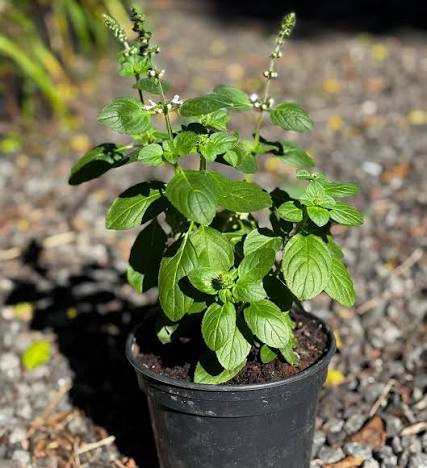
Likes plenty of light and sun. It's great for sauces, pasta, salads, and fresh dishes.
- Water frequently, without soaking.
- Keep in a well-lit location.
- Trim the tips to encourage growth.
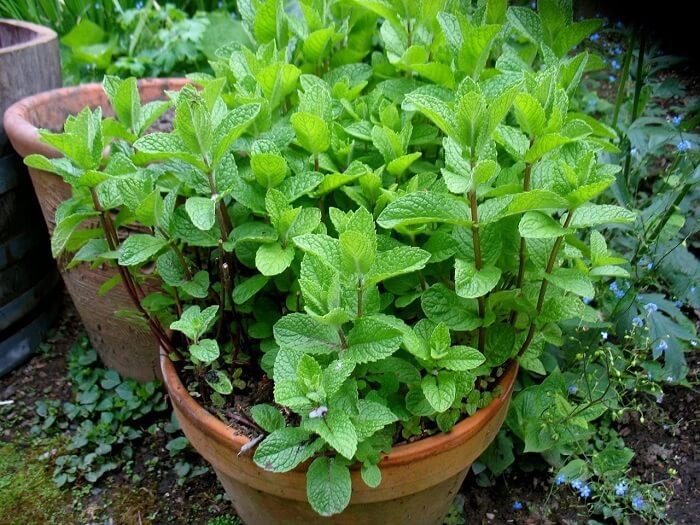
It's one of the easiest plants to grow, but it grows a lot and can dominate other pots.
- Grow in a separate pot.
- Keep the soil slightly moist.
- Prefer half-shade or gentle sun.
- Needs good lighting.
- Likes regular watering.
- Can be harvested gradually.
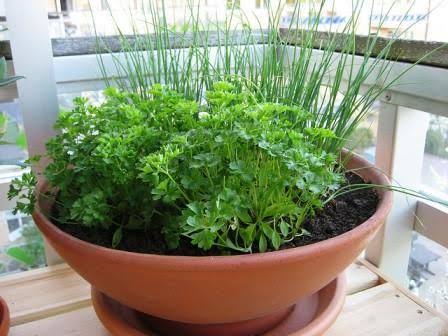
Resilient, practical, and perfect for apartments.
- Likes sun or good brightness.
- Water when the soil starts to dry.
- Cut the leaves at the base to regrow.
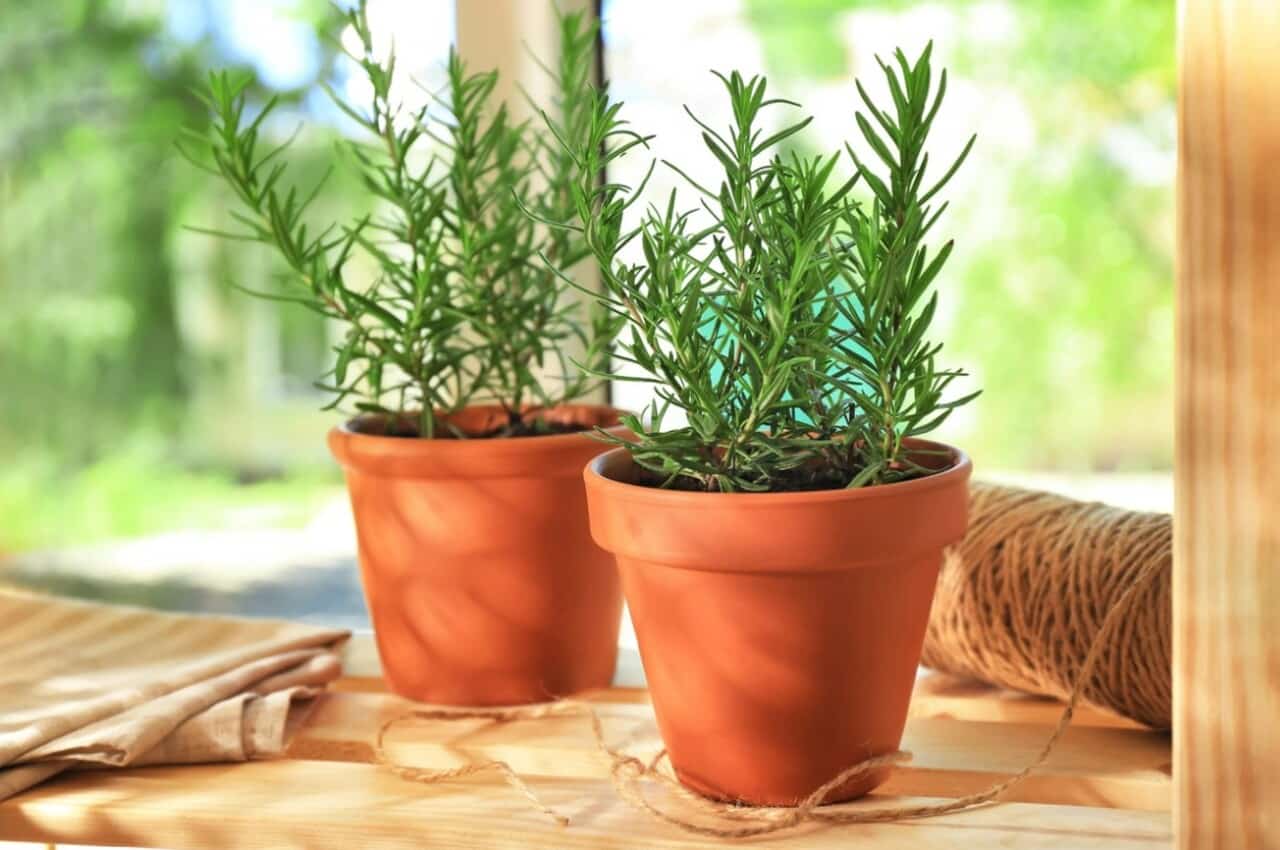
It is a resilient aromatic herb, but does not like excess water.
- Needs plenty of sun.
- Water sparingly.
- Use a pot with good drainage.
Very useful in the kitchen and easy to maintain.
- Likes sun.
- Prefers drier soil.
- Can be grown in small pots.
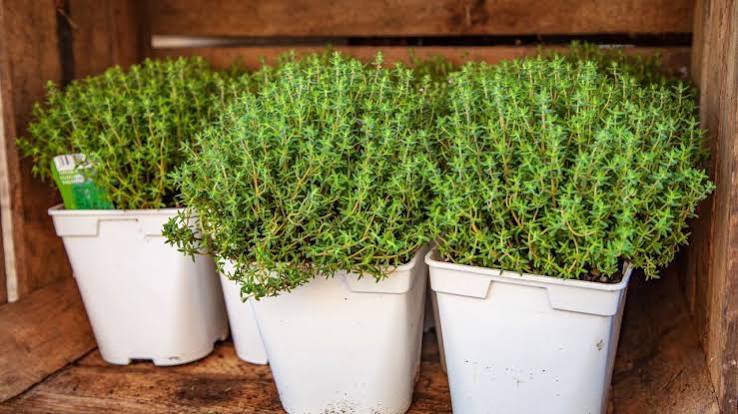
Small, fragrant, and great for pots.
- Plenty of light.
- Little water.
- Well-drained soil.
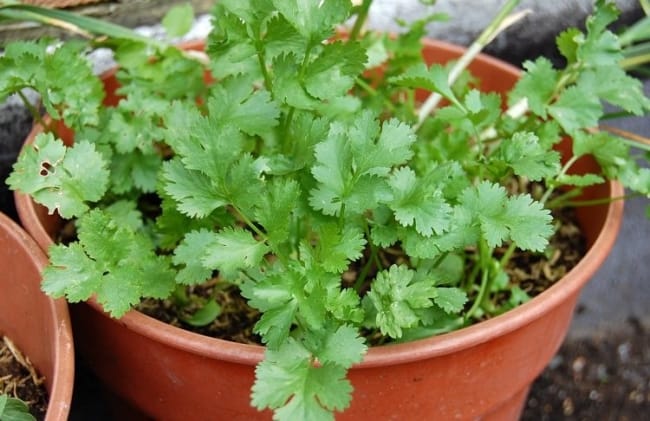
Grows quickly and is widely used in Brazilian recipes.
- Good lighting.
- Frequent watering.
- Harvest before flowering to better enjoy the leaves.
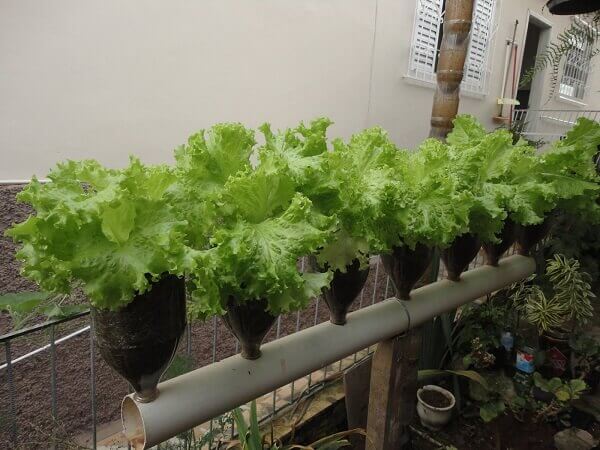
Can be grown in planters, especially in places with good light.
- Moist soil, but not soggy.
- Gentle sun.
- Quick harvest.
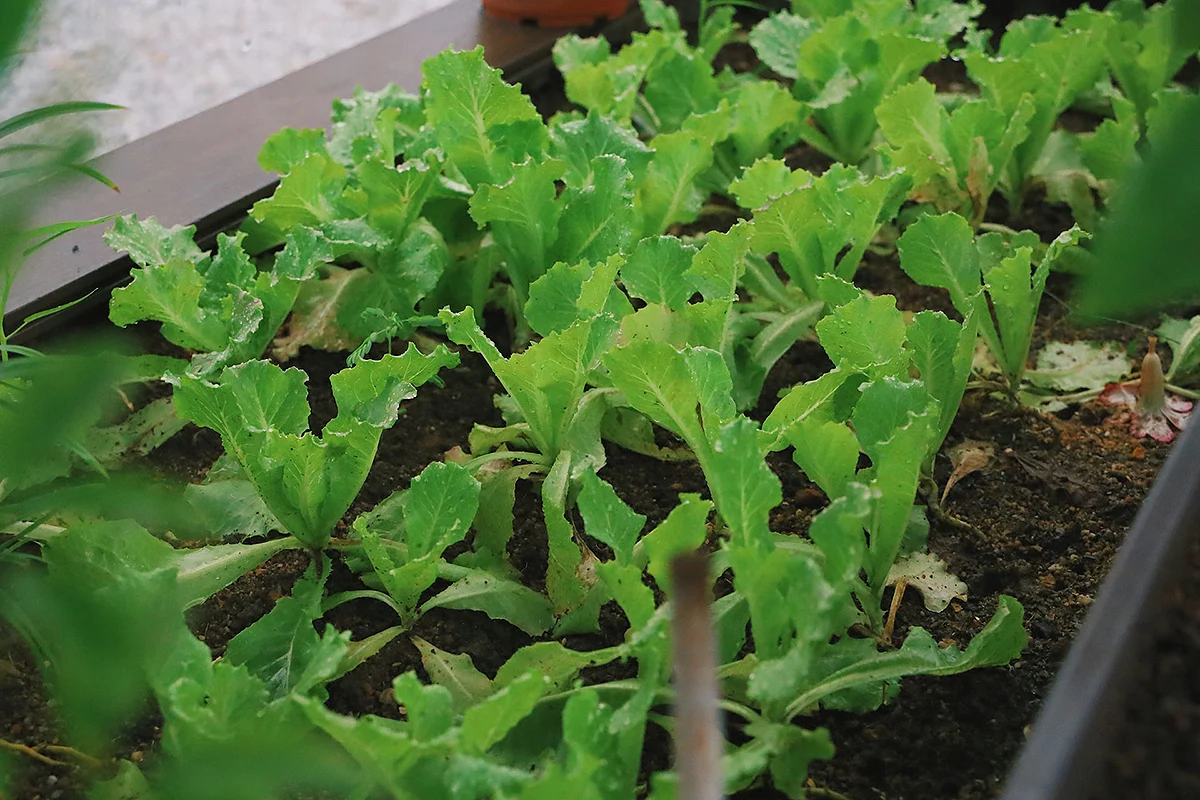
Grows quickly and adapts well to planters.
- Good lighting.
- Regular watering.
- Harvesting young leaves.
- Rosemary + thyme + oregano
- Parsley + green onion + cilantro
- Basil in an individual pot
- Mint always in a separate pot
- Soaking the pot
- Overwatering leaves
- Leaving a plate with standing water
- Watering every day unnecessarily
- Remove dry or yellowing leaves.
- Cut the tips of the basil to stimulate new shoots.
- Always harvest green onions from the base.
- Do not remove all the leaves at once.
- Worm humus
- Organic compost
- Bokashi
- Fertilizer suitable for vegetables
- Crushed eggshells, in moderation
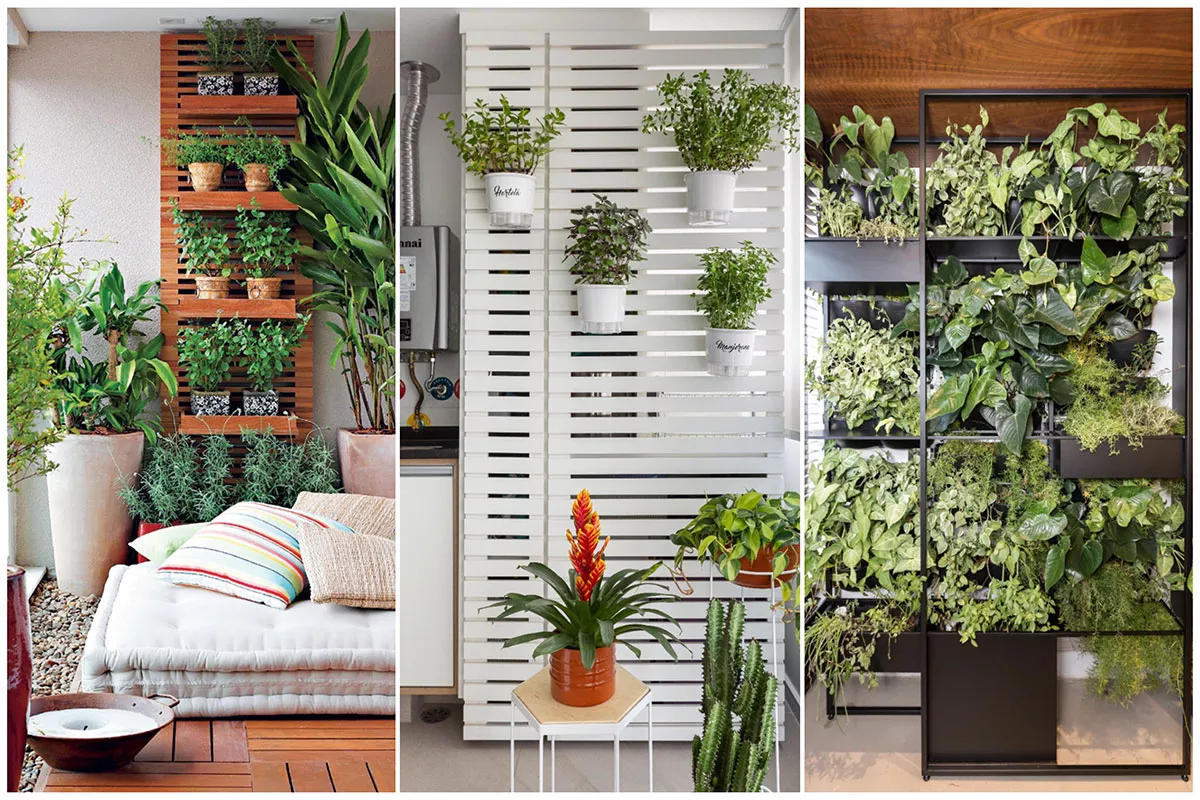
You can use:
- Wood panel
- Wall support
- Shelves
- Hanging pots
- Planters fixed to grids
- Metal structures
- Yellowing leaves may indicate overwatering.
- Wilting leaves may indicate lack of water or too much sun.
- Weak growth may indicate insufficient light.
- Spots on leaves may indicate fungi or pests.
- Soil that is always wet may indicate poor drainage.
- Do not soak the soil.
- Avoid very damp leaves.
- Maintain good ventilation.
- Remove sick leaves.
- Clean the leaves when necessary.
- Use ceramic pots.
- Mix different heights.
- Label the herbs.
- Use wooden trays.
- Invest in iron or bamboo supports.
- Set up the garden near the kitchen.
- Use identical planters to create visual harmony.
- Choose a well-lit location.
- Separate pots with holes in the bottom.
- Add expanded clay or small stones.
- Add fertile and light soil.
- Choose seedlings or seeds.
- Plant carefully.
- Water without soaking.
- Position in a place with natural light.
- Make frequent prunings and harvests.
- Fertilize periodically.
- Basil
- Mint
- Parsley
- Chives
- Rosemary
Because even in small apartments, life can flourish.